Introduction
Table of Contents
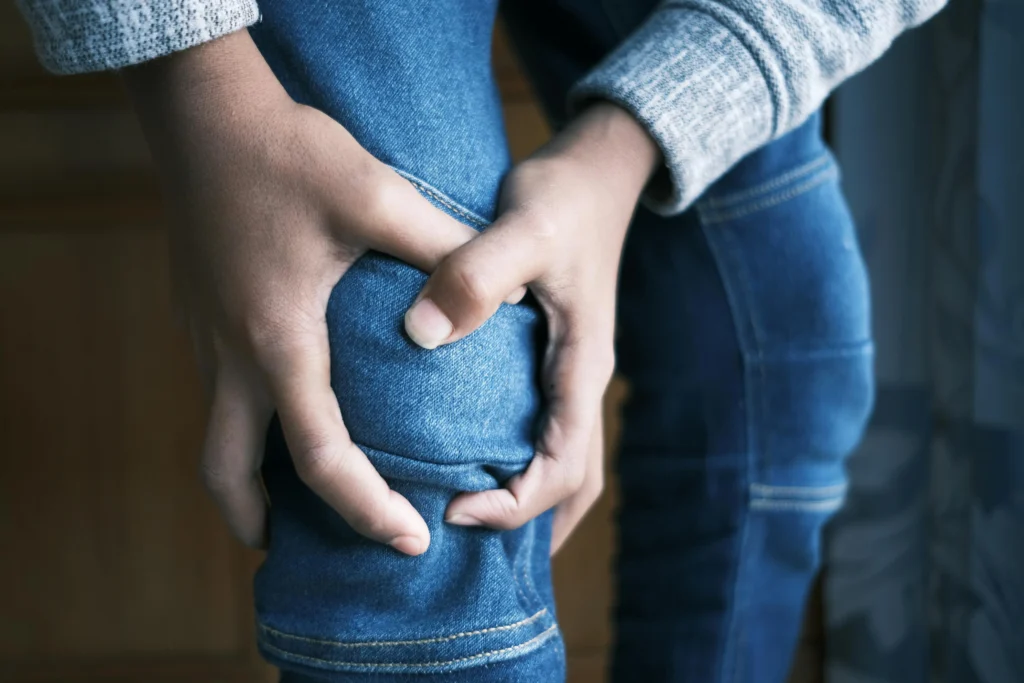
Nowadays, joint pain has become a fairly common problem across all age groups, with even kids and young adults experiencing varying degrees of discomfort. Joint-related issues arise from several reasons, like aging, injuries, and other underlying conditions. Deficiency of nutrients like calcium, vitamin D, and omega-3 fatty acids is one of the most common reasons behind several joint disorders.
The ancient wisdom of Ayurvedic medicine focuses on treating these issues with a combination of specialized diets, herbal medications, and lifestyle management techniques, personalized for every individual. This article provides some general remedies that can be helpful in reducing and curing joint pain. However, one must consult a certified Ayurveda practitioner before taking any of these remedies.
Disclaimer
This article is for informational purposes only. It must not be treated as a substitute for professional medical diagnosis, advice, or treatment. Please consult a qualified healthcare provider before starting any medications or regimes discussed herein.
The Golden Milk
A glass of cow milk mixed with a teaspoon of turmeric (golden milk) can significantly reduce joint pain when used regularly over a period of time. Milk is a well-known source of calcium and vitamin D, which are essential for maintaining healthy and strong bones. Turmeric on the other hand, can be a wonderful medicine for preventing and curing bone disorders like osteoarthritis and rheumatoid arthritis.
Turmeric has an active compound called curcumin that is anti-inflammatory and helps in managing optimum joint health. Turmeric removes Ama, the indigested toxic waste from the body, which is often responsible for various health issues, including joint disorders.
Turmeric is considered a natural blood purifier that removes toxins from the blood, which is often considered the root cause of joint pain.
Milk is considered an Asthi Poshaka, meaning it promotes overall health and vitality of bones. Joint disorders are often caused by vitiated Vata, which has a drying and light nature, depleting bone health. The Snigdha (unctuous or oily) and Guru (heavy and grounding) qualities of milk counter the adverse effects of Vata.
Golden milk can be made easily by any individual without any extraneous effort. Just add a teaspoon of turmeric to a glass of warm milk. Add small amounts of spices like cinnamon and cardamom powder to enhance the bioavailability of turmeric and also to slightly mitigate the cooling effect of milk. Have this daily before sleep.
The Ginger-Ajwain Combo
Ginger has been used as food and medicine for a long time in India and other Asian countries. It is highly regarded in Ayurvedic medicine for its anti-inflammatory and Vata-pacifying properties. Some studies have found that the active components, like gingerols and shogaols, have anti-inflammatory properties that can reduce joint pain. (Therkleson)
Ajwain, on the other hand, is another common herb that has been used for centuries to treat joint disorders in Ayurveda. It is highly regarded for its anti-inflammatory and anesthetic properties. The presence of anesthetic properties in Ajwain relieves excessive joint pain, especially during winter (Source). Some studies have also highlighted its potential in the inhibition of the proliferation of human osteosarcoma cell lines. (Source)
One can use both ginger and ajwain to relieve joint issues. One way is to make tea with these herbs. Just boil an inch of grated ginger with a teaspoon of ajwain. Sip it slowly. Alternatively, one can make a combined paste of these two herbs and apply it to the affected region.
Abhyanga: Ayurvedic Massage
Topical application of oils has been extensively researched for its ease of use and minimal side effects in dealing with various joint disorders, including osteoarthritis and rheumatoid arthritis. (Source)
Abhyanga, or Ayurvedic oil massage, is an age-old practice that makes the body fit and healthy and prevents the risks of joint disorders. It provides lubrication to the joints, easing mobility, especially in old age. Regular oil massage reduces Vata, which is responsible for various bone and joint issues.
Additionally, Abhyanga increases the circulation of vital fluids in and around the applied regions and stimulates the nervous system to provide a soothing and relaxing effect. Abhyanga should be done in Anuloma (along the direction of the hair) to prevent any damage to the hair follicles. (Source)
Sesame oil is one of the best massage oils for Ayurvedic Abhyanga; however, one can also use medicated oils, which are especially prepared for masculoskeletal pain, like Mahanayana Oil. Consult a qualified Ayurvedic doctor to know which oil could be best for your bodily constitution.

Buy
"Kerala Ayurveda Mahanarayana Thailam 450 Ml"
As an Amazon Associate, we earn from qualifying purchases at no extra cost to you.
Light Exercise: Vyayama
Light exercises like walking, mild jogging and stretching can help prevent various joint disorders like arthritis. Various yogic postures allow the individuals to stay active and healthy without excessive strain.
Moreover, yoga has been found to prevent the symptoms of rheumatoid arthritis by significantly reducing the intensity of pain and lowering the uric acid in the body, which is responsible for diseases like gout. (Source)
However, it is mandatory to first consult a qualified Ayurvedic practitioner to get a customized yoga schedule tailored to personal needs.
Conclusion
Pain in the joints is a common issue that can be caused by many reasons which include aging, sedentary lifestyle, and nutrient deficiencies. Ayurveda aims at a holistic approach to prevent and cure various joint disorders which emphasizes balancing the doshas. However, one must consult a certified Ayurvedic doctor for personalized treatments aimed at removing the root cause of disorders.
References
- Ginger and Osteoarthritis: https://ro.ecu.edu.au/ecuworks2012/44/
- Inhibition of proliferation of human osteosarcoma cell line (MG63) by ajwain (Trachyspermum ammi L.) plant extract: https://www.researchgate.net/publication/379272421_Inhibition_of_proliferation_of_human_osteosarcoma_cell_line_MG63_by_ajwain_Trachyspermum_ammi_L_plant_extract
- Protocol of a randomized controlled study to evaluate the efficacy of Shwadanshtradi Taila Abhyanga in pain management of Janusandhigata Vata vis-à-vis knee osteoarthritis: https://journals.lww.com/jras/fulltext/2024/08040/protocol_of_a_randomized_controlled_study_to.9.aspx
- Physio-Anatomical Explanation of Abhyanga: An Ayurvedic Massage Technique for Healthy Life: https://www.researchgate.net/publication/323696930_Physio-Anatomical_Explanation_of_Abhyanga_An_Ayurvedic_Massage_Technique_for_Healthy_Life
- Yoga and its impact on chronic inflammatory autoimmune arthritis: https://www.imrpress.com/journal/FBE/13/1/10.2741/873/htm?ref=11
- Effect of yogic package on rheumatoid arthritis: https://www.researchgate.net/publication/235383975_Effect_of_yogic_package_on_rheumatoid_arthritis